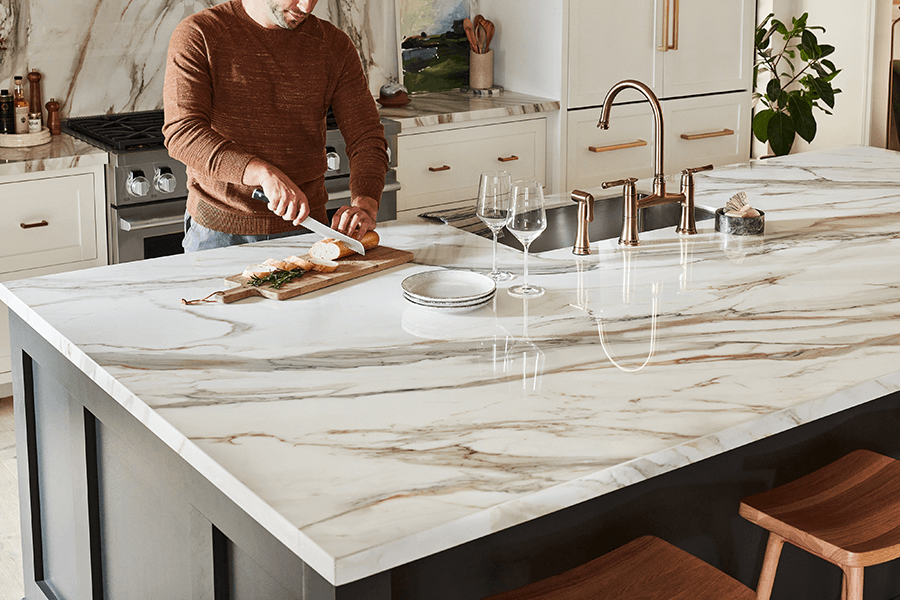
The Comprehensive Guide to Quartz Countertops: Planning & Maintenance
Introduction
Quartz countertops have become a standard fixture in modern residential and commercial interior design. Unlike natural stone slabs quarried directly from the earth, these surfaces are engineered products that combine crushed mineral quartz with resin binders and color pigments. This manufacturing process results in a non-porous, highly durable material that replicates the aesthetic of marble or granite while offering unique functional advantages.
This guide serves as a comprehensive resource for understanding the composition, application, and maintenance of engineered stone surfaces. Readers will learn about the various types of quartz available, the practicalities of installation and budgeting, and the best practices for long-term care. By the end of this article, one will have a foundational understanding of how quartz functions as a structural and decorative element in various environments.
Overview of Quartz Countertops
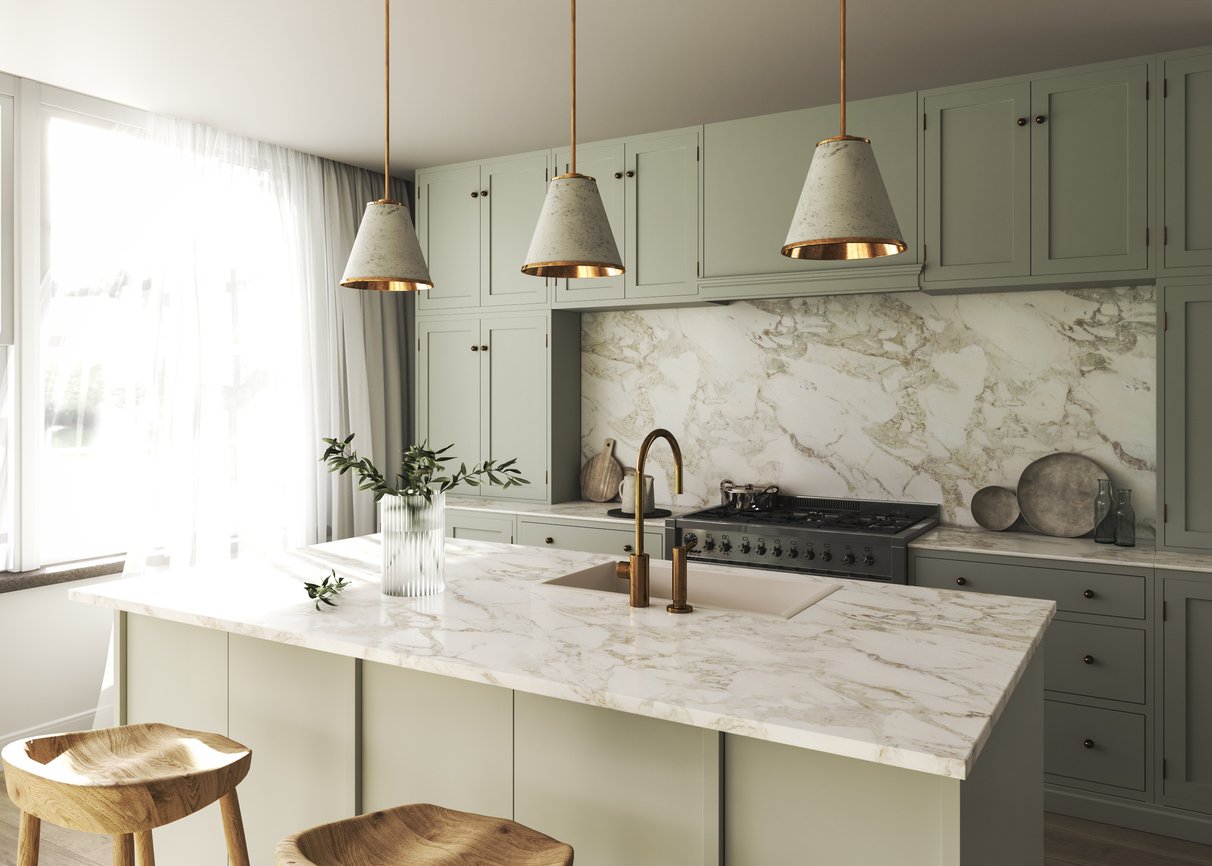
At its core, a quartz countertop is a composite material.4 While natural quartzite is a solid metamorphic rock, “quartz” in the context of countertops refers to an engineered stone typically composed of approximately 90% to 94% ground quartz and 6% to 10% polymer resins and pigments. The goal of this engineering is to eliminate the inherent unpredictability and porosity of natural stone, creating a surface that is uniform in strength and appearance.5Commonly used in kitchens, bathrooms, and high-traffic commercial spaces, these surfaces are designed to withstand significant wear and tear.6 Users typically choose this material when seeking a balance between the high-end look of stone and the low-maintenance requirements of synthetic materials.7 Because the manufacturing process allows for controlled aesthetics, the material can be produced in a vast array of colors and patterns, ranging from solid, minimalist tones to intricate veining that mimics Calacatta marble.
Key Categories and Variations
Quartz products are categorized primarily by their visual texture and the specialized finishes applied during the final stages of manufacturing.
| Category / Type | Description | Common Use Case | Effort / Cost Level |
| Fine-Grain | Smooth, consistent appearance with almost invisible particles. | Modern, minimalist kitchens. | Moderate Cost |
| Coarse-Grain | Larger visible quartz crystals or recycled glass flecks. | Traditional or rustic designs. | Low to Moderate Cost |
| Veined | Patterns created with pigments to mimic natural marble or granite. | Focal point islands or luxury bathrooms. | High Cost |
| Honed/Matte | A non-reflective, velvety surface finish. | Contemporary spaces; hides fingerprints. | High Maintenance Effort |
| Concrete-Look | Textured gray tones designed to look like poured industrial concrete. | Industrial lofts or modern workspaces. | Moderate Cost |
Choosing between these types depends largely on the architectural style of the space and the desired tactile experience. While veined patterns offer high visual impact, they often require more careful planning during installation to ensure “book-matching” or pattern continuity at the seams.
Practical Scenarios and Applications
Scenario 1: High-Volume Residential Kitchens
In a standard family home, the kitchen surface must endure constant impact, spills, and cleaning. Quartz is often selected here for its resistance to acidic foods like lemon or vinegar, which would etch natural stone.
-
Components: Large perimeter slabs, central island, and matching backsplash.
-
Key Elements: Eased edges for safety, integrated sink cutouts, and heat-protective trivets.
Relevance: This scenario highlights the material’s durability and ease of sanitation in environments where food safety is a priority.9
Scenario 2: Commercial Hospitality Environments
Bars, hotels, and restaurant reception desks require materials that can withstand heavy public use while maintaining a “brand-new” appearance over several years.
-
Locations: Hotel lobby check-in desks, restaurant bar tops, and restroom vanities.10
-
Components: Impact-resistant mitered edges and extra-thick slab profiles.
Relevance: Quartz is relevant here because its non-porous nature prevents the absorption of bacteria and odors, which is vital for public health compliance.11
Scenario 3: Specialized Laboratory or Healthcare Settings
Because engineered stone is non-porous and resistant to many chemicals, it is increasingly used in clinical environments where sterile surfaces are mandatory.
-
Elements: Coved backsplashes (seamless transitions from counter to wall), chemical-resistant resins, and light-colored finishes for visibility.
-
Locations: Dental offices, pharmaceutical labs, and examination rooms.
Relevance: The controlled manufacturing of quartz allows for a level of hygiene that natural, fissured stone cannot provide.12
Comparison: While the residential scenario focuses on aesthetics and stain resistance, the commercial and clinical scenarios prioritize impact resistance and sterilization. Homeowners generally opt for thinner profiles (2cm or 3cm), whereas commercial applications may utilize reinforced edges for higher durability.
Planning and Cost Considerations

Proper planning is essential because quartz is heavy and difficult to modify once it has been cut. Accurate measurements and structural support checks must be completed before the material is even ordered. Budgeting should account not just for the raw material, but for the labor-intensive fabrication and installation processes.
Sample Budget and Planning Table
Figures are examples for illustrative purposes only.
| Category | Estimated Effort / Amount | Explanation | Optimization Tips |
| Material (Slabs) | $50 – $120 per sq. ft. | Cost of the quartz itself based on brand and design. | Select “builder grade” colors for lower costs. |
| Fabrication | 10 – 20 Hours Labor | Cutting, edge profiling, and sink hole polishing. | Use standard edge profiles (eased/square) to save. |
| Installation | 1 Full Day | Transporting and securing slabs to cabinetry. | Ensure site is clear and cabinets are level beforehand. |
| Support/Hardware | $200 – $500 | Plywood sub-tops or steel brackets for overhangs. | Plan for supports early to avoid last-minute fixes. |
Strategies, Tools, or Support Options
Managing a project involving quartz countertops requires specific professional strategies to ensure a successful outcome.
-
Digital Templating: Using laser scanners to create a digital map of the cabinets.
-
Advantages: High precision; accounts for walls that are not perfectly square.
-
Disadvantages: Requires specialized equipment and trained technicians.
-
-
CNC Fabrication: Computer Numerical Control machines cut the stone based on digital templates.13
-
Advantages: Perfect cutouts for sinks and cooktops; consistent edge quality.
-
Disadvantages: Higher overhead costs passed to the consumer.
-
-
Prefabricated Slabs: Buying quartz already cut to standard counter depths with finished edges.14
-
Advantages: Significant cost savings; faster availability.15
-
Disadvantages: Limited color choices; may not fit custom or angled layouts.
-
-
Full-Height Backsplashes: Using the same quartz material for the wall surface.
-
Advantages: Creates a seamless, high-end look; easier to clean than tile grout.
-
Disadvantages: High material cost; requires precise measurement of electrical outlets.
-
Safety, Risks, and Common Challenges
While the finished product is safe, the lifecycle of quartz countertops involves specific risks that must be managed.
-
Silicosis Risk during Fabrication: Cutting quartz releases fine silica dust.16 If inhaled by workers without proper respiratory protection and water-fed saws, it can cause lung disease.17 Prevention: Ensure the fabricator uses “wet-cut” methods and follows OSHA safety standards.
-
Thermal Shock: Although quartz is heat-resistant, the resins can melt or discolor if exposed to high heat (e.g., a hot pan straight from the stove). Mitigation: Always use trivets or hot pads.
-
Chemical Sensitivity: High-pH cleaners or bleach can break down the bond between the resin and the quartz.18 Prevention: Use only pH-neutral soap and water.
-
UV Damage: The resins in quartz are not UV-stable. If installed outdoors, the material may yellow or become brittle over time. Mitigation: Use quartz only for indoor applications or specific outdoor-rated brands.
-
Fissures and Cracking: If cabinets are not perfectly level, the weight of the stone can cause stress fractures.19 Prevention: Level all base cabinets within 1/8 inch before installation.
Maintenance and Best Practices

Long-term management of quartz is relatively simple compared to natural stone, as it does not require periodic sealing.20
-
Daily Cleaning: Use a soft microfiber cloth and a mild dish soap.
-
Immediate Spill Cleanup: While stain-resistant, highly pigmented substances (like permanent marker or turmeric) should be wiped up promptly.
-
Avoid Scouring Pads: Do not use steel wool or abrasive sponges, which can dull the factory polish.21
-
Scraping Residue: Use a plastic putty knife to gently remove dried food or paint; avoid metal blades.
Regular review of the seams is also important. Over time, a house may settle, causing the epoxy in the seams to crack. Periodically checking these areas ensures that moisture does not seep into the cabinetry below.
Documentation and Reporting
For large-scale or high-end projects, documenting the specifications of the quartz installation is vital for future repairs or matching.
-
Material Passports: Keep a record of the brand name, color code, and batch/lot number. Quartz colors can vary slightly between production runs.
-
Layout Diagrams: Save the final digital template or shop drawing showing where seams are located.
Example 1: A homeowner keeps the “lot number” of their kitchen island. Two years later, when adding a bar area, they use that number to find a matching slab from the same production batch.
Example 2: A facility manager at a hospital maintains a “Care and Warranty” log that lists the specific pH-neutral cleaners approved by the manufacturer to avoid voiding the product warranty.
Closing Summary
Quartz countertops represent a sophisticated blend of natural mineral beauty and industrial engineering, offering a durable and non-porous alternative to traditional stone.22 While they provide significant advantages in hygiene and maintenance, successful implementation requires careful professional fabrication, protection from extreme heat, and an understanding of the material’s structural requirements.
Would you like me to create a more detailed maintenance schedule or a guide on how to compare specific quartz brands?